Jose Green
 The quiet hum of a battery-powered mower at sunrise is fast becoming the soundtrack of neighborhoods everywhere. Cordless outdoor tools, once dismissed as underpowered novelties, now edge out their gas-guzzling counterparts in both performance and popularity. What’s fueling this surge, and are these tools truly the future of home maintenance?
The Rise of Cordless Outdoor Tools: A New Era in Home Maintenance
Once, the smell of gasoline and the roar of a two-stroke engine defined yardwork. Today, convenience and innovation are reshaping this picture. The evolution from gas to cordless tools has unfolded rapidly, thanks to leaps in battery technology and design. Cordless tools no longer mean compromising on power or runtime. Instead, lightweight lithium-ion batteries deliver extended use and quick recharging, while electric motors have become more robust and efficient.
Manufacturers like Stihl, Milwaukee, and Makita have accelerated this shift, rolling out lines of cordless tools that rival or even surpass their traditional rivals. High-efficiency brushless motors, interchangeable batteries, and intuitive controls are raising the bar for what homeowners and professionals expect.
Case Study 1: The Stihl Cordless Revolution
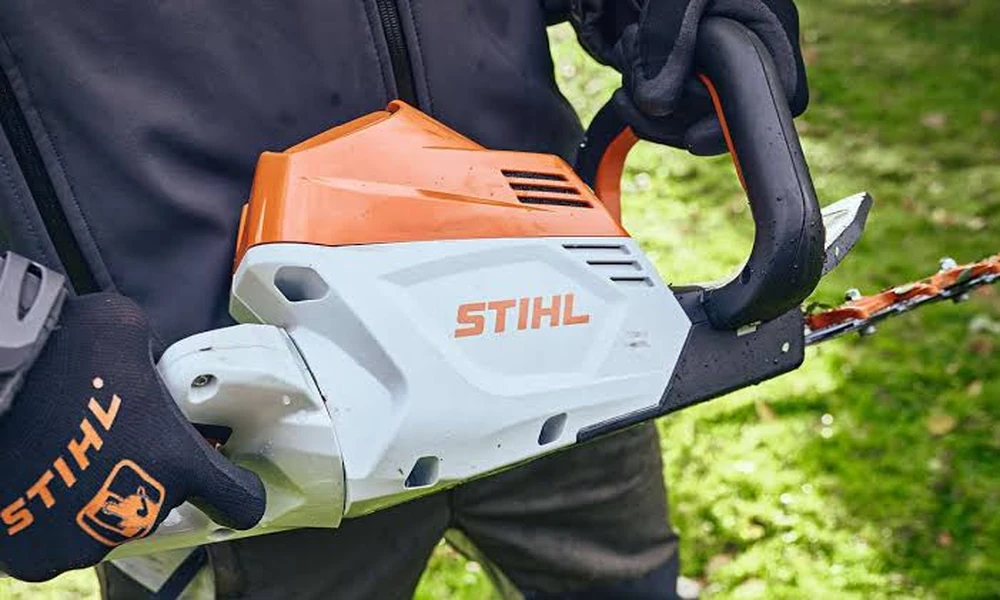
Stihl, famous for its gas-powered chainsaws, has embraced the cordless revolution. Tools like the MSA 60 C-BQ cordless chainsaw, the GTA 26 pruning saw, and the BGA 30 leaf blower offer a glimpse into the future of outdoor work. These tools are engineered for simplicity and reliability, with tool-less chain tensioning and ergonomic designs that cut fatigue.
Feedback from users highlights dramatic improvements in efficiency: less time spent on maintenance, instant startup at the push of a button, and quieter operation that won’t wake the neighborhood. The result? Even demanding tasks like storm cleanup or heavy pruning become less daunting.
Case Study 2: Milwaukee and Makita’s Impact on the Market
Milwaukee and Makita have pushed the boundaries further with their advanced battery systems. Milwaukee’s M18 and Makita’s LXT series offer power outputs and runtimes that compete directly with gas models. One of the biggest game changers has been the creation of versatile, interchangeable battery platforms. A single battery can power an entire garage’s worth of tools, from drills to string trimmers.
The distinction between homeowner and professional tools is fading. Contractors appreciate the portability and ruggedness of these cordless systems, while homeowners love the reduced noise and ease of operation. The tools’ versatility stretches dollars and shelf space, making them a smart investment.
Environmental and Practical Benefits of Cordless Tools
The shift to cordless brings more than convenience; it also delivers real-world environmental benefits. Battery-powered tools generate zero emissions at the point of use, slashing the air pollution and carbon footprint associated with gas engines. They’re also far quieter, making them ideal for noise-sensitive neighborhoods.
Maintenance is another area where cordless options shine. Forget about oil changes, spark plug replacements, and complicated carburetors. A quick battery swap or recharge is often all it takes to get back to work. Users also find that these tools are easier to store, with many designed for compact, wall-mounted organization.
Challenges and Limitations Still Facing Cordless Tools
Despite the hype, cordless tools are not a perfect solution for everyone yet. Battery life and recharge times can still be limiting, especially during all-day landscaping jobs. Heavier-duty tasks, such as felling large trees or tilling tough soil, may still demand the brute force of a gas-powered engine.
Cost is another consideration. Cordless tool kits require an upfront investment in batteries and chargers, though long-term savings on fuel and maintenance can offset these expenses over time. For some, the calculation comes down to frequency of use and the specific demands of their property.
The Future Outlook: What Experts Predict
Industry insiders see rapid advances in battery technology on the horizon. Expect to see longer runtimes, higher power outputs, and shorter recharge times. Integration with smart home platforms is also emerging, opening the door to app-controlled maintenance schedules, theft tracking, and energy optimization.
Analysts project robust market growth as more homeowners and professionals make the switch. As battery prices drop and performance climbs, cordless tools are poised to become the default choice for most outdoor maintenance needs.
How to Choose the Right Cordless Tool for Your Home
Choosing the right cordless tool starts with an honest assessment of your property and needs. Small yards may only require a blower and trimmer, while larger lots could justify more robust models. Look for brands that offer battery compatibility across multiple tools, and research real-world performance reviews.
Check that battery systems are widely available and consider the long-term costs of replacing packs. For guidance on reputable brands and models, resources like GSM Depot provide detailed product info, user reviews, and options for every budget.
To prolong tool life, keep batteries charged, store equipment in dry conditions, and follow recommended maintenance procedures. Regular cleaning and timely blade or chain sharpening also ensure peak performance.
Conclusion: Are Cordless Outdoor Tools the Definitive Future?
Cordless outdoor tools offer substantial gains in convenience, sustainability, and innovation. Advances in battery and motor technology have erased many of the old compromises, bringing professional-level performance into reach for everyday users. While a few challenges remain, the trajectory is clear: the future of home maintenance is wireless, efficient, and increasingly electric. As always, the smartest choice comes from weighing your unique needs against the rapidly expanding options on the market, armed with insights and resources tailored for today’s homeowner.